

For healthcare providers, the telephone remains one of the main communication methods used for a variety of reasons. From appointments and reminders to collections calls, there are a myriad of reasons to use the telephone. But this volume of calls does not go unnoticed. Healthcare and medical-related calls have emerged as one of the most closely scrutinized categories for regulators, especially the Federal Trade Commission (FTC). The FTC’s 2025 Biennial Report to Congress on the National Do Not Call (DNC) Registry is just one piece that shows why healthcare is at risk, and why compliance expectations are intensifying.
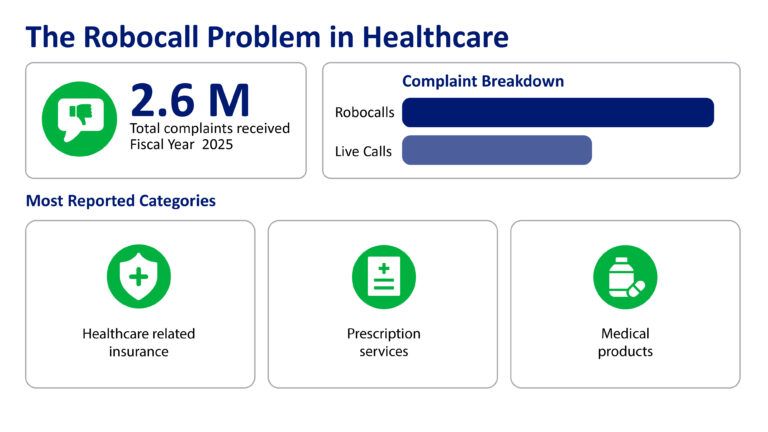
The FTC report to congress showed that the agency received more than 2.6 million complaints in the 2025 fiscal year, with the majority involving robocalls rather than live calls. The complaints frequently involved deceptive or unwanted solicitations – healthcare related insurance, prescription services, and medical products – being among the most reported categories. The reason this is so significant is that healthcare information is a sensitive topic, whether it be the results of a test or the amount a patient owes, so they are often in a vulnerable position when fielding these calls, making them susceptible to misleading claims.
The FTC hasn’t taken these complaints lightly. In 2025 they announced a $145 million settlement with Assurance IQ and MediaAlpha after alleging that the companies misled consumers seeking comprehensive health insurance and subjected them to a high volume of telemarketing and robocalls. The complaint that lead to this settlement highlighted the recurring issue that consumers believed they were purchasing robust health coverage, only to receive limited or inadequate plans. The cause illustrated how deceptive lead generation and aggressive outbound calling can quickly trigger regulatory action.
While hospitals and healthcare systems usually do not deal with health insurance plans, they are involved with medications, durable medical equipment (DME), and other healthcare needs. How do hospitals make sure they stay out of trouble with regulators when it comes to telephone calls?
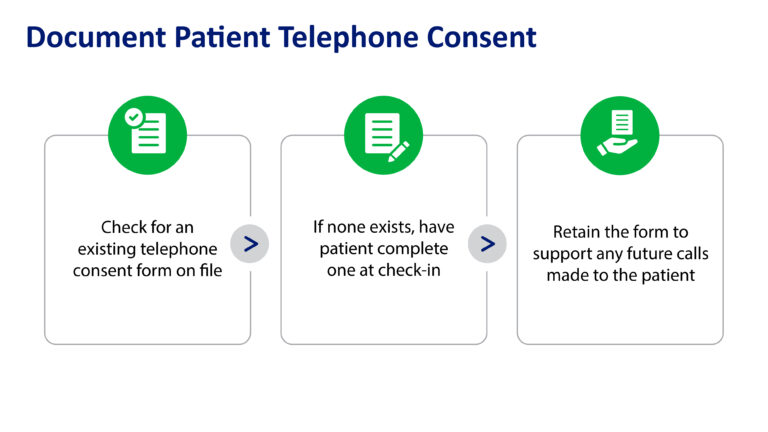
One of the first and biggest things hospitals and healthcare providers can do is document patient consent and preferences. When a patient is checking in for their appointment, ensure they have a telephone consent form on file or have one filled out at that time. This document will help solidify that you have their consent when calling.
When calling patients, verbally receiving validation of their consent can help limit complaints. Asking if this is a good number to reach them at in the future can save headaches down the road. For both inbound and outbound calls, it is good practice to verify the identity of the person you are speaking to so you can minimize complaints around improper sharing of HIPAA-related information and limit the sharing of protected health information unless explicitly authorized.
Healthcare and medical calls represent a perfect storm of regulatory risk. The FTC’s recent reports and enforcement actions make it clear that this category will continue to receive heightened scrutiny. Hospitals and healthcare providers need to take steps to ensure they have the right permissions from their patients to ensure they can continue to communicate with them over the phone.
Ridiculously Nice Legal Disclaimer
The content provided in this communication (“Content”) is presented for educational and general reference purposes only. Americollect, LLC and/or AmeriEBO LLC either directly or indirectly through speakers, independent contractors, or employees (collectively referred to as “Americollect”) is providing this Content as a courtesy to be used for informational purposes only. The Contents are not intended to serve as legal or other advice. Americollect does not represent or warrant that the Content is accurate, complete, or current for any specific or particular purpose or application. This information is not intended to be a full and exhaustive explanation of the law in any area, nor should it be used to replace the advice of your own legal counsel. By using the Content in any way, whether or not authorized, the user assumes all risk and hereby releases Americollect from any liability associated with the Content.